Lawn Mowing in Turnham Green

Lawn mowing in Turnham Green is a practical way to keep domestic gardens, shared outdoor spaces and small commercial plots neat, level and manageable. Our service focuses on regular cutting, tidy edging and sensible upkeep so the grass stays in good condition through the growing season. Where lawns need a one-off refresh or a more structured visit pattern, we can shape the work around the site rather than forcing a standard routine that does not suit it.
We carry out mowing with attention to finish and access. That can mean working around borders, paths, steps, narrow side returns and mixed planting areas, while keeping cuttings controlled and the lawn surface clean. If you are comparing options, it helps to think about the condition of the grass, the size of the area and whether the lawn needs a simple tidy or a more involved cut-and-neaten visit. Tell us what the lawn looks like now, and we can discuss the most suitable approach.
For a straightforward request, you can ask for a quotation and share the basics of the job in plain terms. If there are multiple lawn areas, awkward access points or preferred timings, mention those early so the quote reflects the work more accurately. Clear details at the start make the quotation easier to prepare, and they also help us suggest the right level of service without padding the job with things you do not need.
Regular mowing and tidy lawn care
Regular mowing is often the simplest way to maintain a lawn that is used frequently or visible from the front of a property. A steady cutting pattern helps the grass stay even, prevents the surface from becoming shaggy and makes surrounding borders look more deliberate. Where the lawn is the main feature of the garden, the cut quality matters as much as the frequency, so we aim for a finish that looks neat without removing more growth than the lawn can comfortably spare.
The right mowing pattern depends on grass type, the season and how the area is used. Some lawns benefit from a consistent height with slightly more frequent visits, while others are better served by a careful cut after a period of growth. Edging is part of the overall appearance too, especially where turf meets paving, flower beds or gravel. A well-finished edge makes the difference between a surface that merely looks cut and one that looks properly maintained. If you need ongoing lawn care, garden maintenance can sit alongside mowing where broader outdoor upkeep is required.
Our mowing work can be paired with small tidy-up tasks that help the result last longer. That may include clearing light surface debris before cutting, checking for overgrown edges and leaving the space presentable once the cut is complete. In mixed gardens, mowing also needs to respect other features, such as beds, ornaments and delicate planting. The aim is not simply to shorten the grass, but to leave the area looking intentional, balanced and ready for everyday use.
What a mowing visit can include

Although every lawn is different, most mowing visits follow a practical sequence that keeps the work efficient and the finish consistent. The grass is cut to a suitable height, the edges are trimmed where required and the cuttings are managed neatly. On some sites, a second pass may be useful around tighter sections or along a visibly uneven edge. The result should be a lawn that feels orderly underfoot and looks well cared for from the main viewpoints of the property.
In more detailed jobs, mowing may also involve light clearing before the cut, especially where leaves, twigs or other loose debris would interfere with the finish. If the lawn borders hedging or a raised bed, a careful approach is needed to avoid catching stems or disturbing the soil line. Some customers want only a basic cut, while others prefer a more complete tidy that takes in the outer edges and visible corners. You can ask for the level of detail you want rather than assuming one standard package suits every garden.
For gardens with repeated growth issues, it is often sensible to combine mowing with selective trim work from time to time. That can help keep the lawn frame tidy without turning every visit into a larger maintenance exercise. Where the broader garden needs more than grass cutting, options such as hedge trimming may help shape the space and improve light, movement and visibility around the lawn.
Lawns that need more than a quick cut
Some grass areas are straightforward, but others need a bit more care because they have grown long, become patchy or gathered debris over time. In those cases, mowing is less about routine presentation and more about restoring order in stages. A lawn that has been left for a while may need careful cutting rather than an aggressive pass, especially if the grass is uneven or the ground is not perfectly level. That helps avoid unnecessary stress on the turf and keeps the result cleaner.
Where access is tighter, the work may need to be broken into sections so each part of the lawn can be handled safely and sensibly. This is particularly useful if the garden includes narrow runs, sloping edges or delicate sections where heavy equipment would be awkward. If your garden also has hedges, overgrowth or shrubs restricting access, think about whether those should be addressed first. In some cases, garden clearance can make the mowing itself more efficient by removing the material that gets in the way.
Useful details to include when asking for a quote:
- the approximate size and number of lawn areas
- whether the grass is maintained regularly or has grown long
- any slopes, tight gaps, steps or narrow side access
- if edging, light clearing or cuttings removal is needed
Cutting detail, edging and finish

The standard of a mowing job is often judged by the finish rather than by the act of cutting alone. A sharp result should look even across the main lawn, with clean edges where the turf meets hard landscaping and planting areas. That finish becomes especially important around patios, driveways, stepping stones and paths, where any ragged edge is immediately visible. Careful edging gives the garden a tidier frame and helps the whole area read as well maintained.
We also pay attention to awkward transitions between lawn and border. These are the places where careless mowing can leave missed strips, clipped stems or a visibly uneven line. Working patiently in those areas makes the lawn look more polished without making the job unnecessarily complicated. On sites with slatted fencing, raised beds or decorative borders, a measured approach helps preserve the surrounding features. If your outdoor space includes built features as well as grass, services such as decking services may be relevant alongside routine lawn care.
Some customers want the lawn to appear clipped and formal, while others prefer a softer, less manicured style that still looks deliberate. The preferred finish can influence mowing height, edging style and how much detail is given to the perimeter. A good quotation should reflect that difference. If you know whether you want a neat presentation cut or a more straightforward maintenance visit, say so early and keep the request focused on the outcome you want.
Seasonal growth and maintenance choices
Lawn care changes through the year, even when the property stays the same. In stronger growing periods, grass may need more frequent attention to prevent it from becoming coarse or untidy. In slower seasons, a lighter touch may be enough to preserve the lawn without cutting it too low. The most suitable mowing pattern depends on how quickly the grass is growing, how much use the area gets and whether other garden work is happening alongside it.
Seasonal tasks often benefit from being planned with other outdoor maintenance at the same time. That is especially true if beds need tidying, borders are encroaching or shrubs are shading parts of the lawn. A garden that is being looked after consistently usually needs less corrective work than one that is left to build up. If the lawn is only one part of a larger outdoor project, landscape gardening may be useful where you want the wider layout improved rather than just the grass cut.
It is also worth considering how the lawn is used. A front garden lawn seen from the street may need a cleaner edge and more frequent visits than a back lawn used mainly for practical access. Likewise, a lawn that sits beside planting beds or a seating area may benefit from a more careful finish. Those decisions shape the kind of mowing service that makes sense and help prevent unnecessary work being added to the job.
Other outdoor work that can support the lawn

Mowing often sits alongside related outdoor services rather than standing completely alone. If the surrounding area is untidy, the lawn can look unfinished even after a good cut. Clearing overgrowth, shaping nearby shrubs or adjusting the structure of the garden can make the grass easier to maintain in future. For properties where the garden needs a broader refresh, it may be more efficient to deal with the supporting work first and then bring the lawn back into a tidy rhythm.
Where the garden contains significant clutter, green waste or dense material blocking parts of the lawn, a cleaner site is often easier to manage. In those situations, the mowing can be planned after the larger obstacles are removed, which reduces time lost working around debris. Tree lopping and removal may be relevant if overhanging branches or unwanted woody growth are affecting the light and shape around the lawn. The key is to match the service to the actual condition of the garden, not to assume that grass cutting alone will resolve everything.
If you are comparing more than one service, think about what genuinely changes the lawn’s appearance and what simply repeats the same task in a different form. A careful quotation should reflect the real work involved, whether that is a straightforward cut, a tidy edge or a broader improvement to the surrounding space. That keeps the proposal clear and avoids confusion about what is included.
About Turnham Green
Turnham Green is an area in west London within the London Borough of Hounslow, closely associated with Chiswick and the eastern side of the borough. Its name is strongly linked to Turnham Green itself, a long-established open space on the Chiswick High Road corridor, and the wider district has a character shaped by residential streets, local shopping stretches and transport connections into central London and the Thames-side suburbs. The green is historically notable as the site of the Battle of Turnham Green in 1642, an event connected with the English Civil War, when Royalist and Parliamentarian forces faced one another in the area. Today, the surroundings combine busy urban movement with pockets of calmer residential life, and the local street pattern reflects later suburban growth layered over older village and parish origins. The nearby district includes a range of building styles, from Victorian and Edwardian terraces to later apartment developments, while the broader Chiswick and Hammersmith edges bring in cafés, churches, schools and local routes that make the area feel connected rather than isolated. Public transport and major roads give the place a practical, everyday rhythm, while the green space and nearby garden squares offer a softer contrast to the surrounding urban fabric. As a place name, Turnham Green is both specific and flexible: it refers to the historic green as well as the local area around it, and that dual identity remains visible in maps, civic references and everyday use. The result is a district that reads as distinctly west London, with a mix of history, residential character and local openness that has remained recognisable over time.
Preparing a quotation for your lawn
A useful quotation is usually based on clear facts rather than guesswork. The main points are the size of the lawn, the current length of the grass, any access restrictions and whether you want a one-off visit or repeat mowing. It also helps to note if the lawn is part of a larger garden job, because the time needed for cutting can change when other work is being done first. That information allows the quote to reflect the real scope of the job rather than a rough estimate that may not fit once the work starts.
When a lawn has uneven areas, mixed surfaces or tightly planted borders, it is sensible to mention those features up front. They do not make the work impossible, but they do affect how the job is planned and what level of attention is needed. If there are gate widths, side access limits or areas that should be left untouched, say so clearly. For broader upkeep beyond mowing, you may also want to look at services overview to see how the different parts of a garden maintenance plan fit together.
If you are ready to move forward, keep your request simple and specific: describe the lawn, explain what finish you want and ask for a quotation. That is usually enough to start the conversation. If the job also involves broader garden work, mention that in the same enquiry rather than sending several separate messages. You can ask for a quotation today and outline the lawn work in one clear note.
Choosing the right level of lawn care
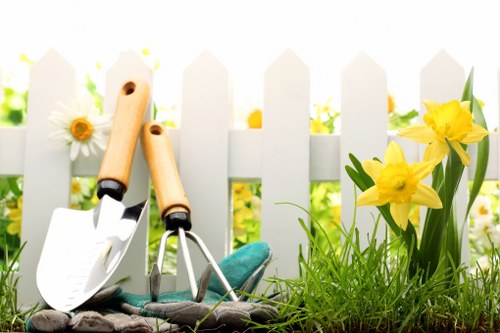
Different lawns need different levels of attention, and the best choice depends on how the space is used. A small front lawn seen every day may need a neat presentation cut, while a back garden lawn used more casually may only need functional maintenance. In both cases, the important point is that the service should match the site. Over-specifying the work can waste time, while under-specifying it can leave the result looking incomplete.
Customers often find it helpful to think in terms of outcome. Do you want the grass simply shortened, the edges sharpened and the space left tidy, or do you want a more thorough maintenance visit that supports the broader garden? If the lawn is part of a more developed outdoor setting, there may be value in pairing it with other work where appropriate. Landscaping can be relevant when the outdoor space needs to be rebalanced rather than only maintained.
For the clearest response, give the size, condition and access details together and ask for a quotation. If the lawn has become overgrown, say so directly; if it only needs routine mowing, say that too. Simple, accurate information is usually enough to shape a sensible proposal and avoid unnecessary back-and-forth. From there, the next step is to agree what should be done and when.